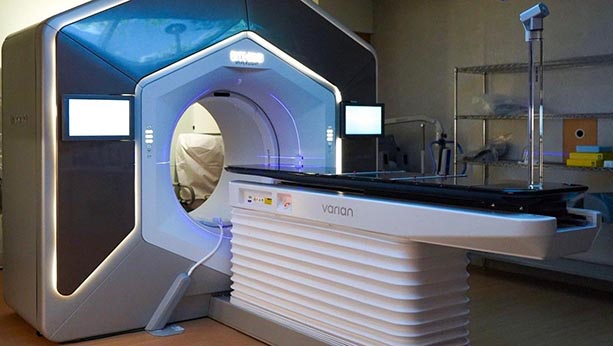
Announcing B.R. Fries & Associates comprehensive renovation of the Radiology Oncology Program at NYU Langone Health Perlmutter Cancer Center
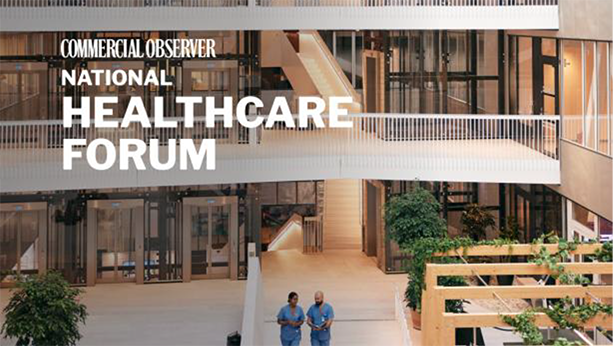
August 3, 2026Today, I attended the Commercial Observer National Healthcare Forum in New York City. The discussions—led by a diverse group of healthcare, real estate, design, and construction stakeholders—were informative, candid, and thought-provoking.
A consistent theme across the panel discussions was the need to create, maintain, and modernize the infrastructure that enables hospitals and healthcare facilities to adapt as clinical care evolves.
Healthcare facilities are not static buildings. They are living environments that must continuously respond to advances in technology, changing care-delivery models, patient expectations, workforce needs, and community demand.
That means planning beyond immediate space requirements. It requires a long-term infrastructure strategy that builds flexibility into clinical areas, MEP systems, structural capacity, IT infrastructure, utility pathways, and construction phasing—all while protecting continuity of care.
An imaging suite, operating room, emergency department, infusion center, or outpatient clinic designed today may need to accommodate significantly different equipment, workflows, staffing models, and patient volumes in the years ahead. When Healthcare Systems build flexibility in early, they can adapt more efficiently, minimize disruption, and avoid unnecessarily costly renovations later.
For healthcare owners, the value of forward-looking infrastructure planning is clear:
- Strengthens resilience and preserves continuity of care during renovations and expansions
- Reduces operational disruption associated with future upgrades
- Extends the useful life of critical building systems and facilities
- Helps reduce long-term capital costs while improving return on investment
- Supports new technology, evolving clinical workflows, and changing patient volumes
- Creates safer, more effective environments for patients, clinicians, and staff
The most successful healthcare projects balance today’s operational requirements with a clear view of what may be needed five, ten, or twenty years from now. Thoughtful planning today creates the capacity to deliver better care tomorrow.
At B.R. Fries & Associates, we are proud to partner with leading healthcare systems to build and modernize the environments needed to support the next generation of care.
@brfries.com
Thank you for bringing together thought leaders in the healthcare delivery space seeking to provide patient impactful and provider cost effective care.